I'll say the quiet part first: "farm-to-table" has become one of those phrases that makes people's eyes glaze over a little. It's on menus that source nothing local, printed next to stock photos of a barn that's never seen a chicken. At some point the phrase stopped meaning anything, because everyone started saying it and almost nobody had to prove it.
So — is it still relevant? Honestly, the phrase isn't. The decisions behind it still are.
It's a Supply Chain, Not a Vibe
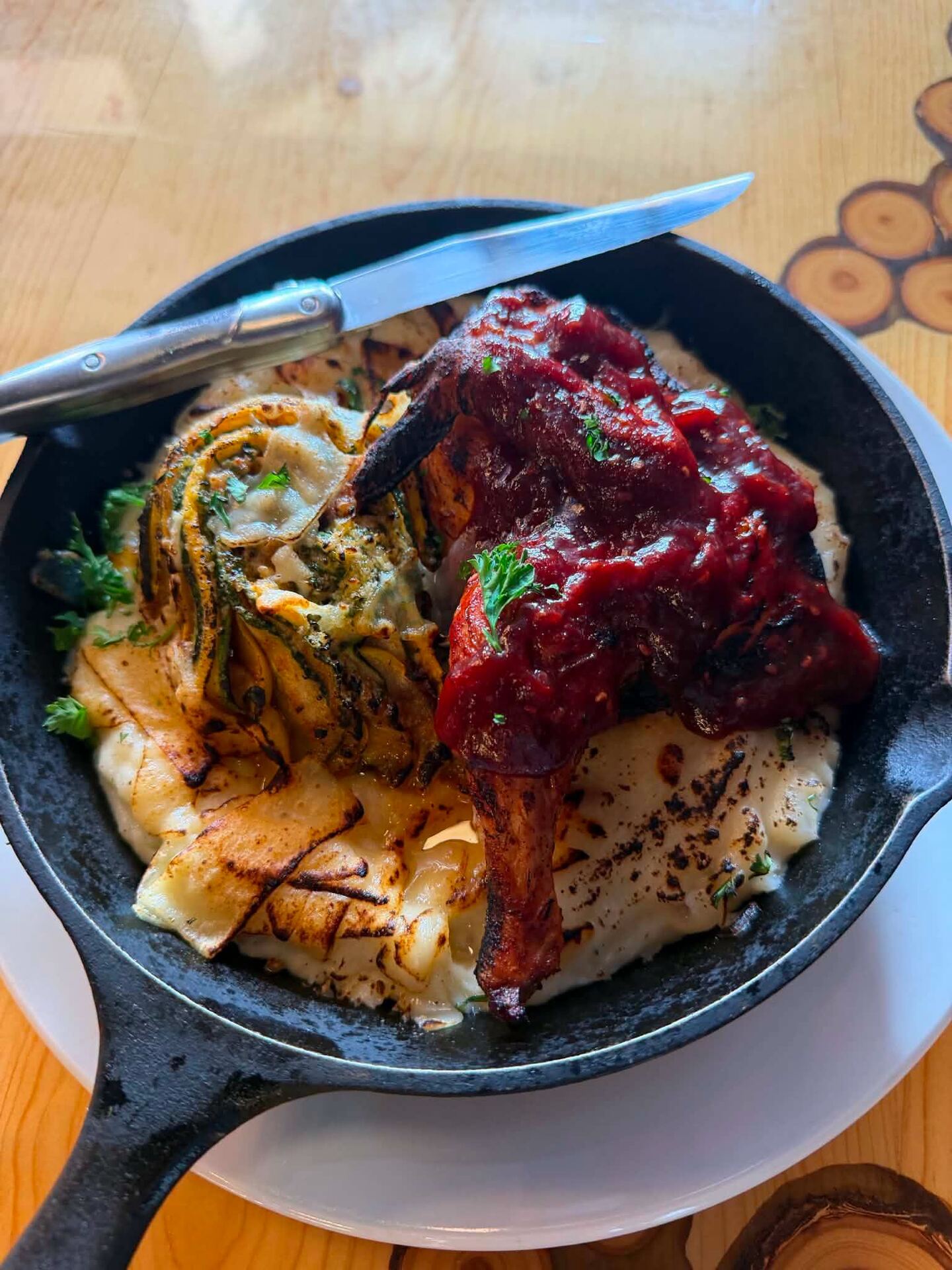
For us, "farm-to-table" was never a plating choice. It's who we buy from, and what we're willing to say no to. Our beef is dry-aged, grown on our family ranch, with no added hormones and nothing pumped in to speed it up. That's not a garnish on the menu description — it's the reason a steak here tastes the way it does. Dry-aging concentrates flavor over time. There's no shortcut version of that; it either happened or it didn't.
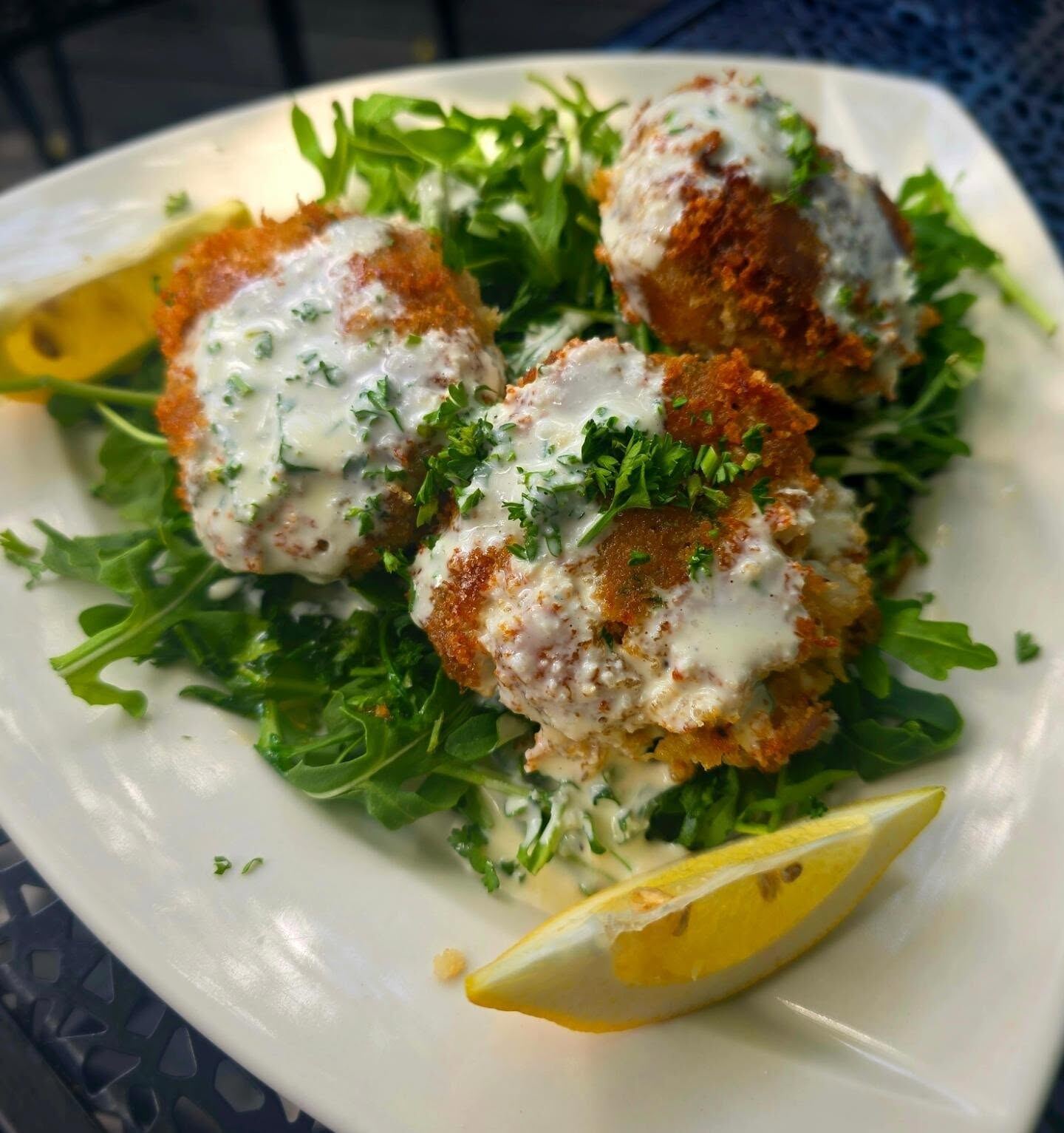
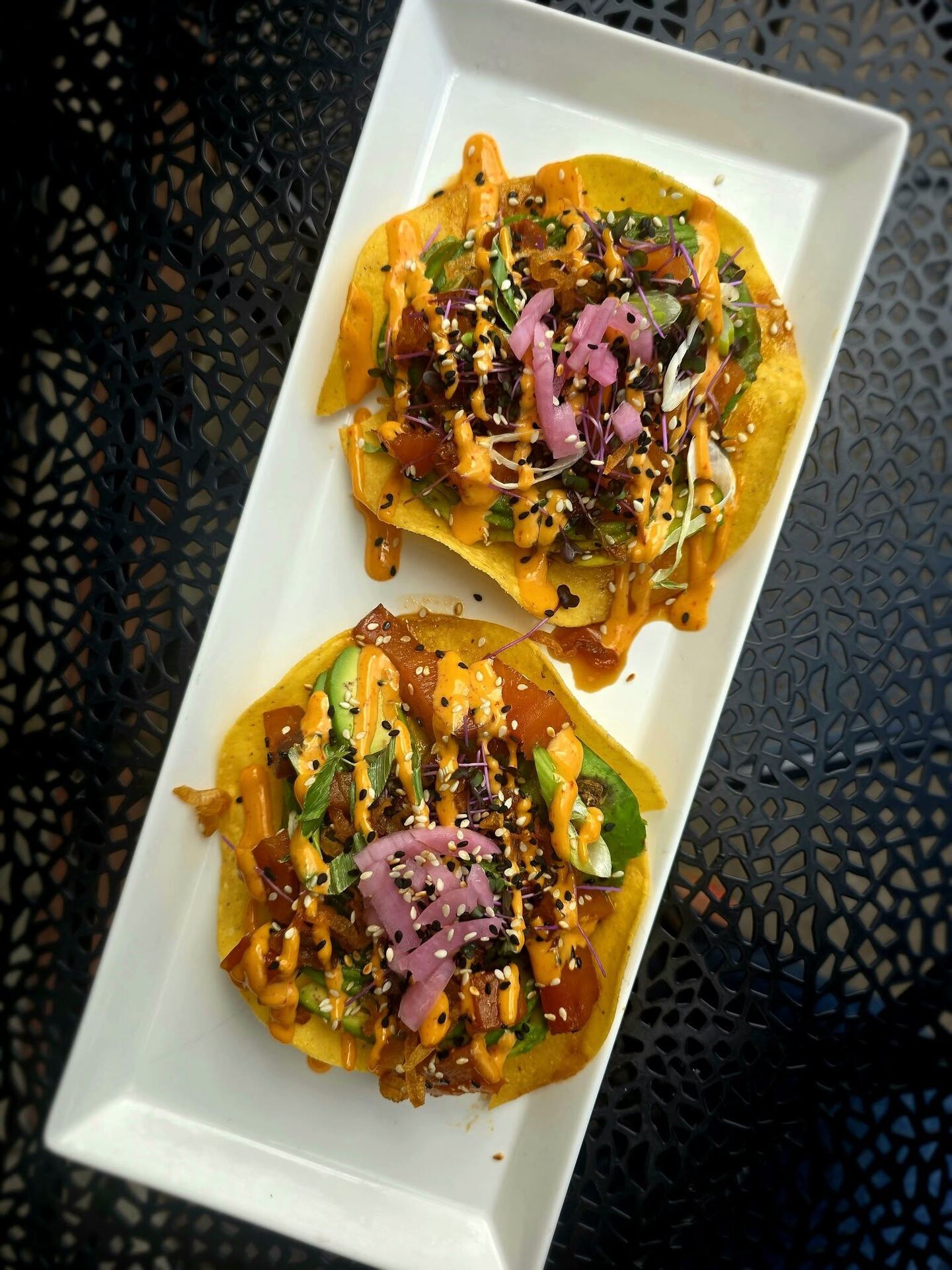
Same logic runs through the kitchen. The ravioli — both the butternut squash and the five-cheese — are made in-house, not thawed from a box. The pesto on the flatbreads is ours. Even the tortilla chips for the queso start as our own yellow corn tortillas, not a bag from a distributor.
Why It Still Matters in 2026
The honest case for sourcing carefully isn't nostalgia — it's that a scratch kitchen genuinely tastes different from a reheated one, and people can tell, even if they can't always say why. A ravioli made that morning behaves differently in butter than one that spent six months in a freezer. A burger from beef that was actually dry-aged has a different chew, a different finish, than one that wasn't. Once you've had both side by side, it stops being subtle.
It also means when something's on our menu, we can actually tell you where it came from, instead of shrugging and pointing at a supplier's logo. That accountability is the real substance behind the phrase — not the wood paneling or the chalkboard menu, but the willingness to answer a direct question about where the food came from and mean the answer.
What We'd Rather You Call It
So call it farm-to-table if you want. We'll probably just call it cooking the food the way it's supposed to be cooked — slower than it needs to be, sourced closer than it has to be — and let the plate make the argument for us instead of the menu copy.
If that means we spend more on the front end than places that don't bother, fine. We'd rather have a shorter list of things we do well than a long one padded out with shortcuts. You don't have to take our word for any of this — just come order the ravioli and see if you can tell it wasn't frozen.